
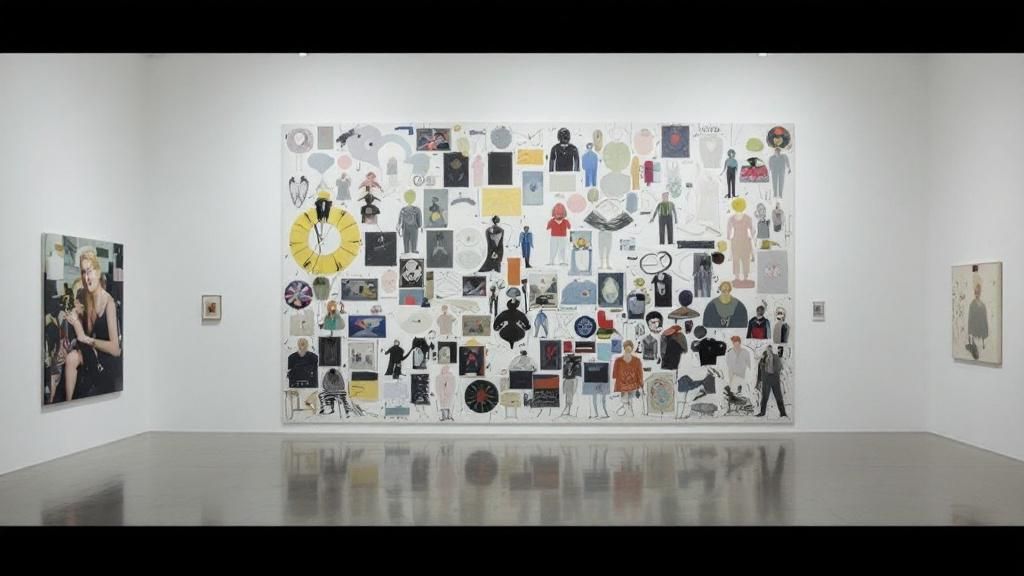
The Turner Prize shortlist has once more demonstrated art’s remarkable capacity to engage and challenge, displaying a compelling array of contemporary artists who are fundamentally reshaping the contemporary artistic terrain. This year’s lineup celebrates diverse voices from different communities, each challenging conventional artistic norms and challenging viewers to reassess what art can be. From innovative spatial works to challenging technological creations, the selected creators represent a vibrant departure from established practice, promising an exhibition that will certainly generate substantial discussion within the creative sector and beyond.
Up-and-coming Artists Redefining Contemporary Art
The Turner Prize shortlist in the current cycle demonstrates a notable movement towards broader representation and fresh approaches within the current artistic sphere. The selected artists exhibit considerable range, drawing on experimental materials and intellectual structures that disrupt traditional artistic norms. Their work encompasses multiple artistic fields, from immersive digital works to socially engaged practices, capturing the shifting definition of artistic expression in the twenty-first century. Each artist contributes a distinct perspective, drawing from their unique cultural backgrounds and individual circumstances, expanding the wider dialogue regarding what constitutes significant creative work today.
What characterises this year’s cohort is their unified resolve to challenging hierarchical structures within the art world. These new artists resist being limited by conventional gallery practices or commercial pressures, instead emphasising sincere creative output and community engagement. Their practices often explore power dynamics, identity-related issues, and environmental concerns, demonstrating that modern art serves as a crucial platform for cultural critique and cultural dialogue. By championing such varied artistic methods, the Turner Prize reaffirms its role as a innovative body equipped to acknowledge and celebrating innovation.
The shortlisted artists’ approaches reveal a conscious move from purely aesthetic considerations towards more conceptually demanding and socially engaged frameworks. Many incorporate participatory elements, inviting audience interaction and collaborative creation rather than passive observation. This broadening of the artistic experience represents a radical reimagining of the artist-viewer relationship, removing traditional barriers that have historically divided creator from consumer. Such approaches resonate particularly strongly with contemporary audiences pursuing more meaningful and reciprocal engagement with cultural institutions.
Furthermore, the range of backgrounds evident in the shortlist highlights the global nature of modern art practice. Artists from diverse geographical regions, cultural traditions, and financial situations bring multifaceted perspectives to their work. This diverse framework challenges the European-dominated assumptions that have persistently influenced conventional art criticism, instead fostering a fairer and more inclusive vision of artistic achievement. The Turner Prize’s recognition of such diversity signals an key pledge to challenging Eurocentric structures in cultural organisations and giving voice to previously excluded perspectives.
The creative advancement visible across the shortlist further demonstrates these artists’ commitment to testing with cutting-edge innovations and non-traditional resources. Whether incorporating machine learning, environmentally responsible sources, or repurposed industrial waste, each artist reveals advanced grasp of how form and medium can enhance conceptual intent. This integration of contemporary technological possibilities with deliberate artistic approach creates works that speak to present-day concerns, speaking to modern concerns and hopes with compelling directness and force.
Ultimately, this year’s Turner Prize shortlist embodies far more than a straightforward choice of gifted artists; it serves as a declaration for current artistic expression itself. These new creative talents together express a conception of artistic practice as essentially transformative, able to challenge established beliefs, encouraging conversation, and imagining alternative futures. Their inclusion in the shortlist validates that the most significant creative achievements often originate with those prepared to challenge established norms, engage in experimentation, and prioritise authenticity over commercial success in their artistic pursuits.
Removing Organisational Obstacles
The Turner Prize shortlist demonstrates a notable change in how established institutions acknowledge and support artistic merit. By identifying creators who intentionally disrupt traditional structures, the prize shows organisational commitment to evolve beyond traditional gatekeeping practices. This year’s cohort includes creators working across mediums traditionally sidelined by dominant cultural institutions, marking a fundamental reassessment of what constitutes worthy artistic endeavour and merit.
This institutional development reflects broader societal conversations about equal representation, access and participation, and inclusivity within the arts. The shortlist actively dismantles established power structures that conventionally advantaged specific art forms and demographic groups. By amplifying underrepresented voices and non-traditional methods, the Turner Prize reinforces that creative limits are increasingly permeable, encouraging museums and galleries to re-evaluate their purchasing and presentation approaches.
Integrated Approaches
Modern artistic practice increasingly moves beyond conventional structural divisions, with selected practitioners deliberately combining varied approaches and fields. This interdisciplinary impulse mirrors contemporary reality, where digital technology, cultural critique, and theoretical structures converge naturally. The chosen practitioners exhibit nuanced comprehension that significant creative work frequently arises from unexpected convergences between seemingly disparate creative domains and conceptual methodologies.
The Turner Prize’s recognition of interdisciplinary work validates experimental approaches that resists straightforward categorisation. These artists employ installation, performance, video, and traditional media in combination, producing sophisticated works that demand viewer engagement. Such methods significantly disrupt traditional institutional norms about the way art is displayed, engaged with, and critically evaluated within traditional gallery environments.
- Digital technology integrated with sculpture installation practices
- Performance art merged with documentary photography methods
- Video work merged with architectural engagement approaches
- Theoretical concepts combining community activism with creative practice
- Traditional painting methods augmented by projected media
The Next chapter of Artistic Recognition
The Turner Prize’s shift towards inclusivity points to a promising trajectory for artistic institutions globally. By promoting diverse perspectives and experimental formats, the prize establishes a standard that challenges the exclusionary practices historically prevalent in the art world. This transformation inspires new creative talent from underrepresented groups to develop their creative work without risk of dismissal, cultivating a more inclusive landscape where talent goes beyond economic status and demographic background.
As modern art tackles urgent cultural concerns, the Turner Prize serves as a indicator of creative discourse. The selected nominees explore subjects ranging from ecological responsibility to online presence, demonstrating art’s crucial importance in questioning modern challenges. Their work demonstrates an growing aware cohort of practitioners committed to use their voices conscientiously, converting exhibition spaces into settings for substantive dialogue rather than superficial beauty consumption.
Looking forward, the Turner Prize’s impact upon artistic recognition cannot be overstated. Museums and galleries worldwide are re-evaluating their curatorial approaches, recognising the commercial and cultural value of platforming underrepresented voices. This institutional reassessment promises to transform financial structures, curatorial practices, and teaching programmes, ultimately democratising access to artistic spaces and opportunities historically limited to privileged cohorts.
The shortlist’s composition signals that creative limits are growing progressively fluid and open to reinterpretation. Rather than following strict classifications, contemporary practitioners are combining practices, fusing established approaches with cutting-edge technology. This multi-disciplinary strategy enriches the artistic discourse, inviting spectators to abandon preconceived notions about what constitutes authentic artistic practice and embrace experimentation.
Ultimately, the Turner Prize exemplifies how institutional recognition can drive broader cultural transformation. By supporting diverse artistic voices and challenging conventional hierarchies, the prize contributes to a more inclusive creative ecosystem. This momentum must continue through sustained commitment from galleries, collectors, and critics who jointly shape which narratives gain prominence and which stay excluded within the contemporary art world.
The discussion initiated by this year’s shortlist transcends the prize ceremony itself, echoing through artistic communities and impacting future generations of creators. As emerging artists observe their peers gaining institutional validation for challenging traditional boundaries, they are encouraged to pursue increasingly bold work. This cyclical process of acknowledgement and motivation promises to continually expand artistic possibilities, ensuring that the Turner Prize remains a vital catalyst for innovation and cultural progress.
