
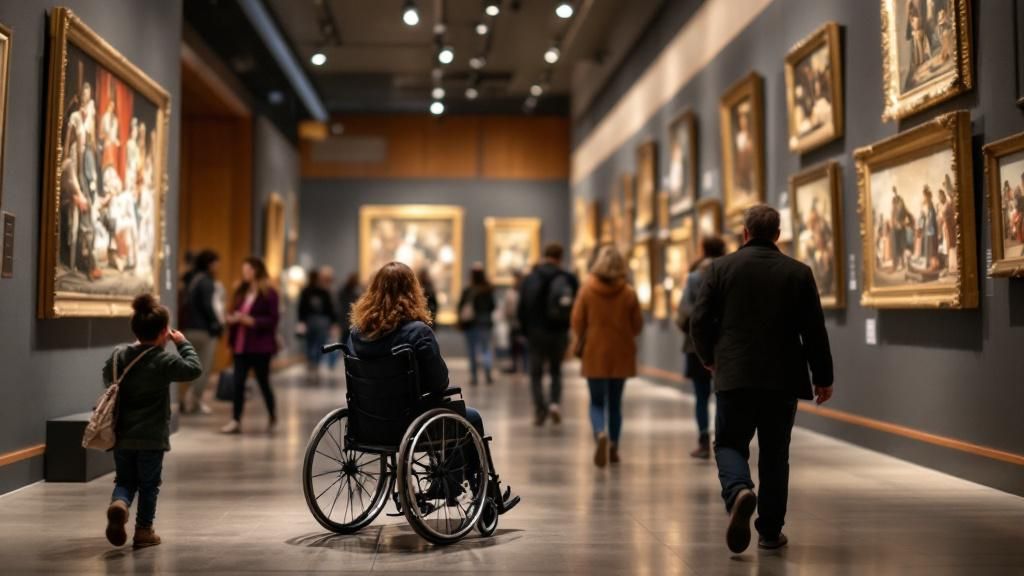
Britain’s prominent museums are embarking on a fundamental accessibility overhaul, understanding that heritage collections should be accessible to everyone, regardless of physical ability or disability. From better wheelchair provision and inclusive sensory programming to advanced digital offerings, these establishments are breaking down longstanding barriers that have conventionally kept out visitors with disabilities. This article explores the groundbreaking initiatives transforming the cultural institutions, explores the bodies championing this essential shift, and examines how these efforts are reconceptualising what inclusive cultural experiences genuinely represent for visitors across the United Kingdom.
Accessibility Enhancements At Leading Institutions
Major museums across the United Kingdom have completed extensive renovations to improve physical accessibility for disabled visitors. The British Museum, V&A Museum, and the National Gallery have invested considerably in installing ramps, lifts, and accessible facilities across their galleries. These improvements extend beyond basic wheelchair access, including wider corridors, accessible toilets with changing facilities, and designated rest areas carefully located throughout exhibition spaces. Such facility improvements reflect a genuine commitment to ensuring that disabled visitors can move through museums with independence and comfortably whilst viewing collections without avoidable obstacles.
Beyond design improvements, institutions have emphasised convenient parking facilities and enhanced navigation solutions tailored to visitors with mobility challenges. Many museums now provide accessible routes that bypass stairs entirely, allowing visitors to experience all major galleries without encountering obstacles. Staff development initiatives have been implemented to assist visitors with disabilities, whilst accessible seating has been introduced within exhibition areas. These integrated measures reflect a major transformation in institutional approach, acknowledging that physical accessibility is essential for creating truly welcoming venues where all visitors can participate fully with the UK’s significant historical collections.
Technological Advancement and Web-Based Access
British museums are utilising modern technological solutions to expand access to their collections, recognising that online services can reach disabled visitors who may experience access difficulties to visiting on site. Virtual reality experiences, high-resolution online collections, and engaging online displays now enable individuals with movement difficulties, vision disabilities, and other disabilities to explore cultural treasures from home. These efforts complement physical accessibility improvements, confirming that technical progress serves as a genuine enabler rather than a mere supplementary offering.
Major institutions have invested significantly in user-friendly web platforms, implementing features such as resizable font options, audio descriptions, and keyboard navigation functionality. Museums are also developing custom-built apps and digital guides intentionally created for visitors with hearing impairments, offering detailed subtitles and BSL interpreting services. By prioritising digital accessibility standards, British museums are positioning themselves as leaders in inclusive cultural engagement, demonstrating that thoughtful design can genuinely enrich experiences for all visitors.
Dedicated Programmes and Assistance Services
British museums are developing tailored initiatives deliberately created to meet the diverse needs of people with accessibility needs. These offerings encompass specialist sensory experiences offering reduced visitor numbers, reduced lighting conditions, and minimised auditory stimulation for people on the autism spectrum or sensory sensitivities. Museums are also recruiting trained personnel qualified in accessibility understanding and accessibility guidelines. Many institutions now deliver customised tour experiences who adjust their delivery to accommodate various communication styles and intellectual needs, ensuring every guest receives substantive interaction with collections.
Assistance programmes have expanded considerably, with museums providing accessible facilities including accessible toilets, quiet zones, and dedicated peaceful areas for visitors needing breaks. Assistance dogs are welcomed throughout galleries, and staff members undergo thorough training to support visitors with movement difficulties, sight or hearing impairments, and learning disabilities. Museums work closely with accessibility groups to create initiatives reflecting genuine community feedback. Pre-visit booking options allow visitors to organise extra assistance, whilst team presence ensures tailored support throughout visits, fundamentally transforming the museum experience for disabled individuals.
Looking ahead, British museums remain focused on ongoing enhancement, allocating funds towards innovative digital tools and inclusive access initiatives. Regular consultation with disabled communities confirms initiatives continue to be adaptive and successful. These comprehensive specialist programmes illustrate that accessibility extends further than structural changes, covering thoughtful, person-centred support services that authentically include all visitors into British heritage organisations.
